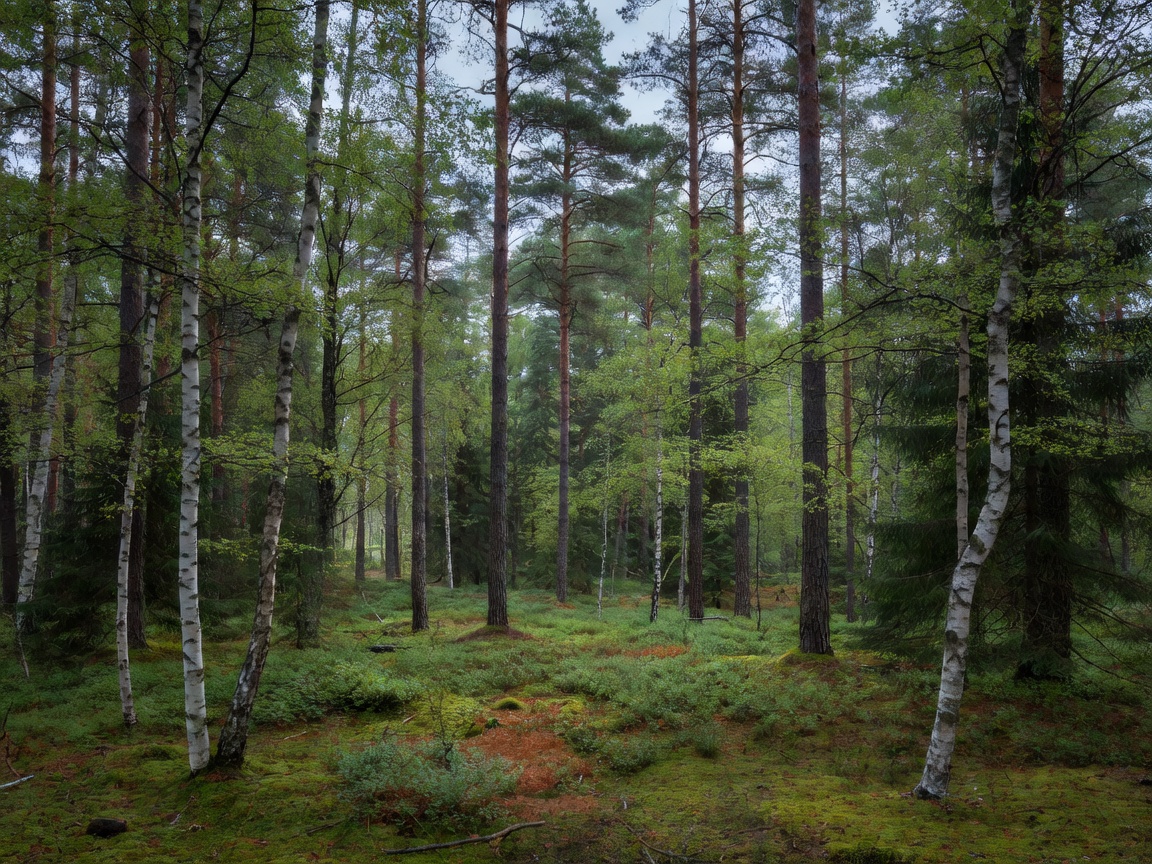
01 / Regions
European Forest Regions
Compare northern, Atlantic, Alpine, Mediterranean and Balkan woodland environments.
Read the regional guide →European Forest Bathing Atlas / Field guide 01
Forest bathing is deliberate time in woodland. It uses sensory attention, slower movement and quiet observation. This guide helps you choose a setting and plan responsibly.
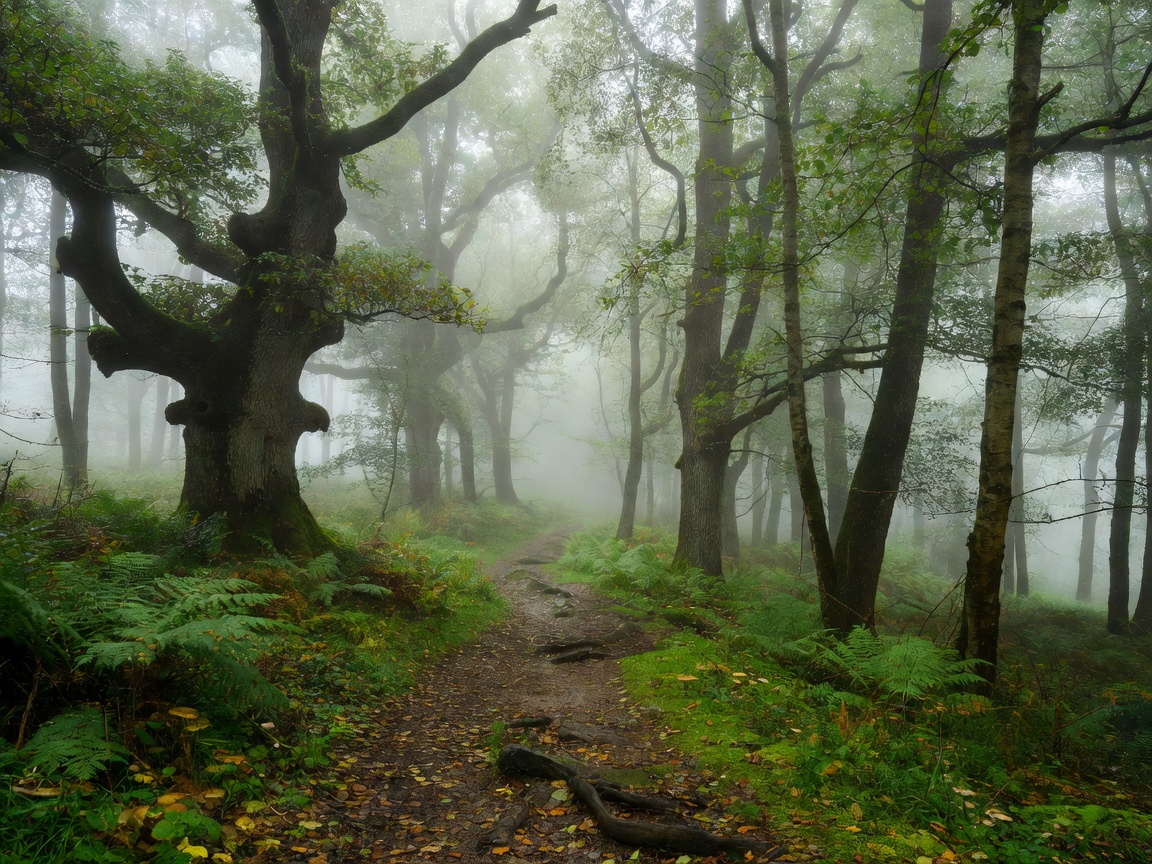
Atlas index / Five useful starting points
Compare northern, Atlantic, Alpine, Mediterranean and Balkan woodland environments.
Read the regional guide →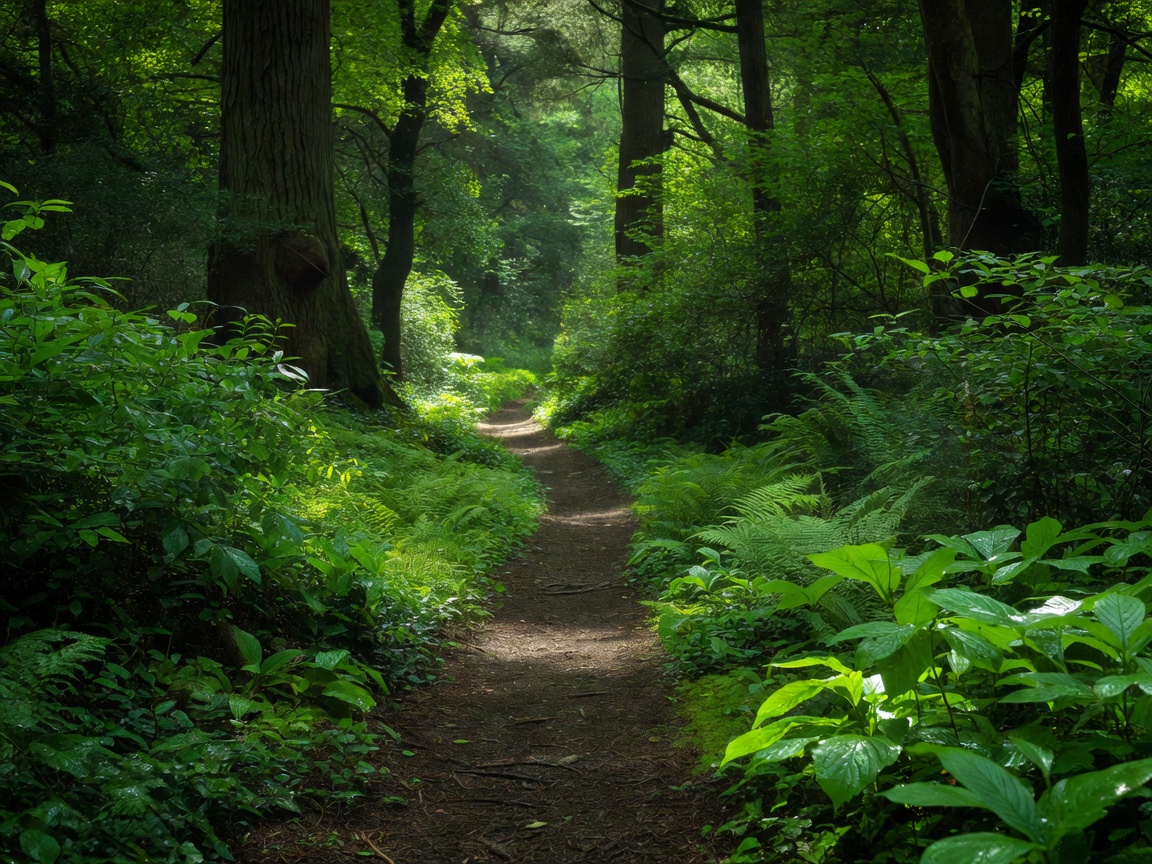
Understand guided walks, sensory exercises, pauses and different session formats.
Compare experiences →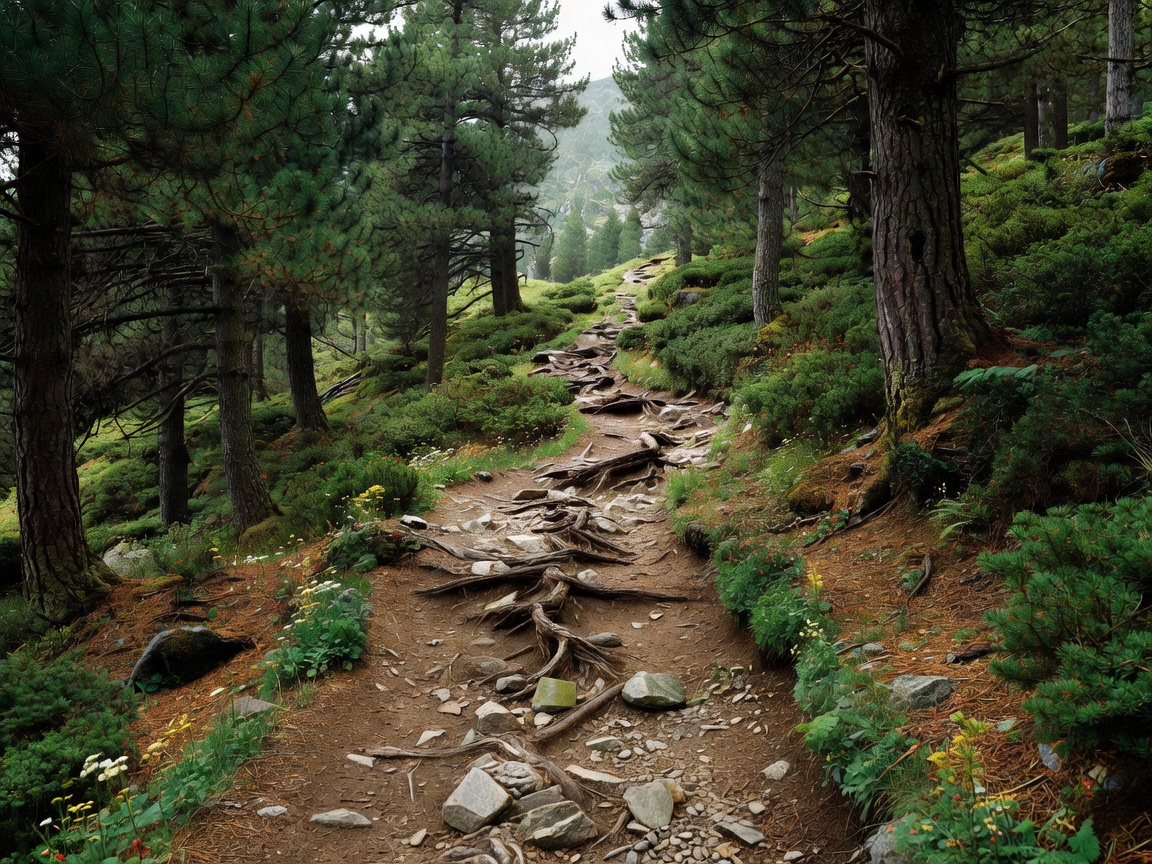
Identify the practical differences between deciduous, coniferous, mixed and mountain forests.
Study forest types →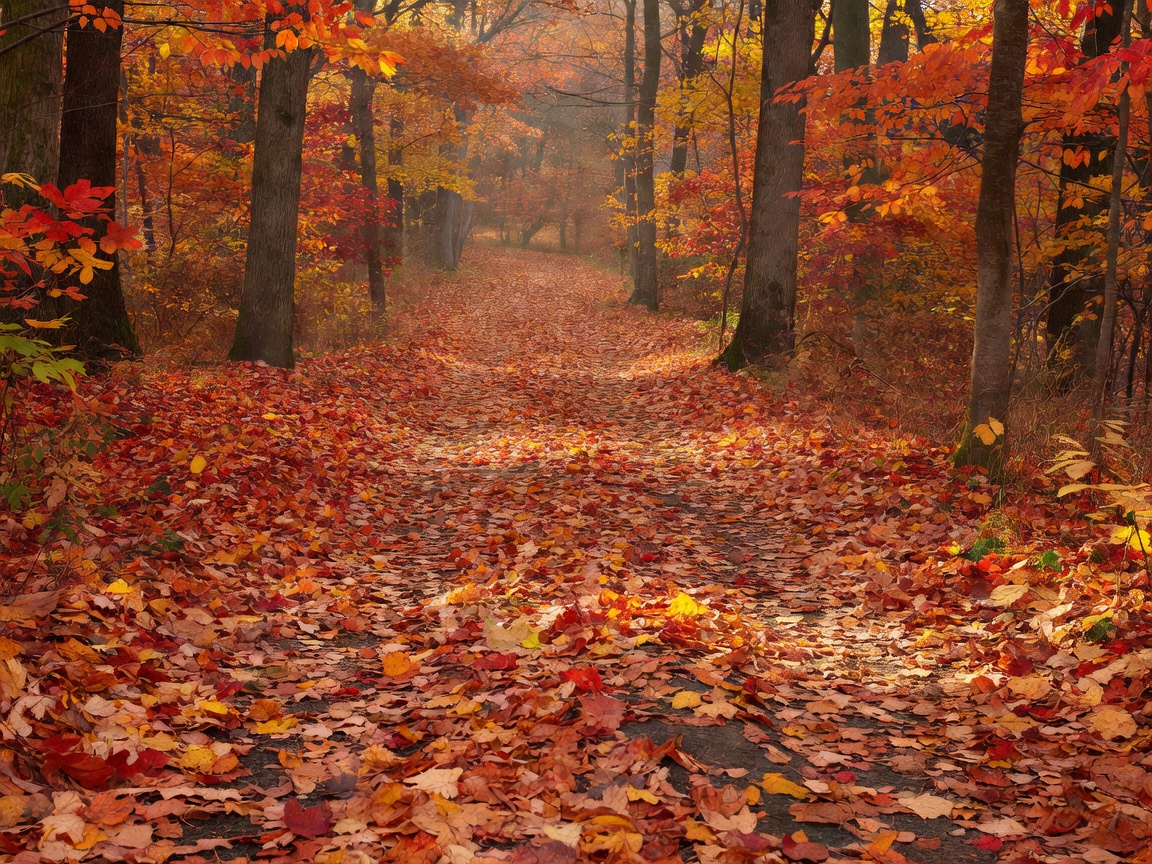
Prepare for changing light, temperature, insects, leaves, snow and trail surfaces.
Use the seasonal guide →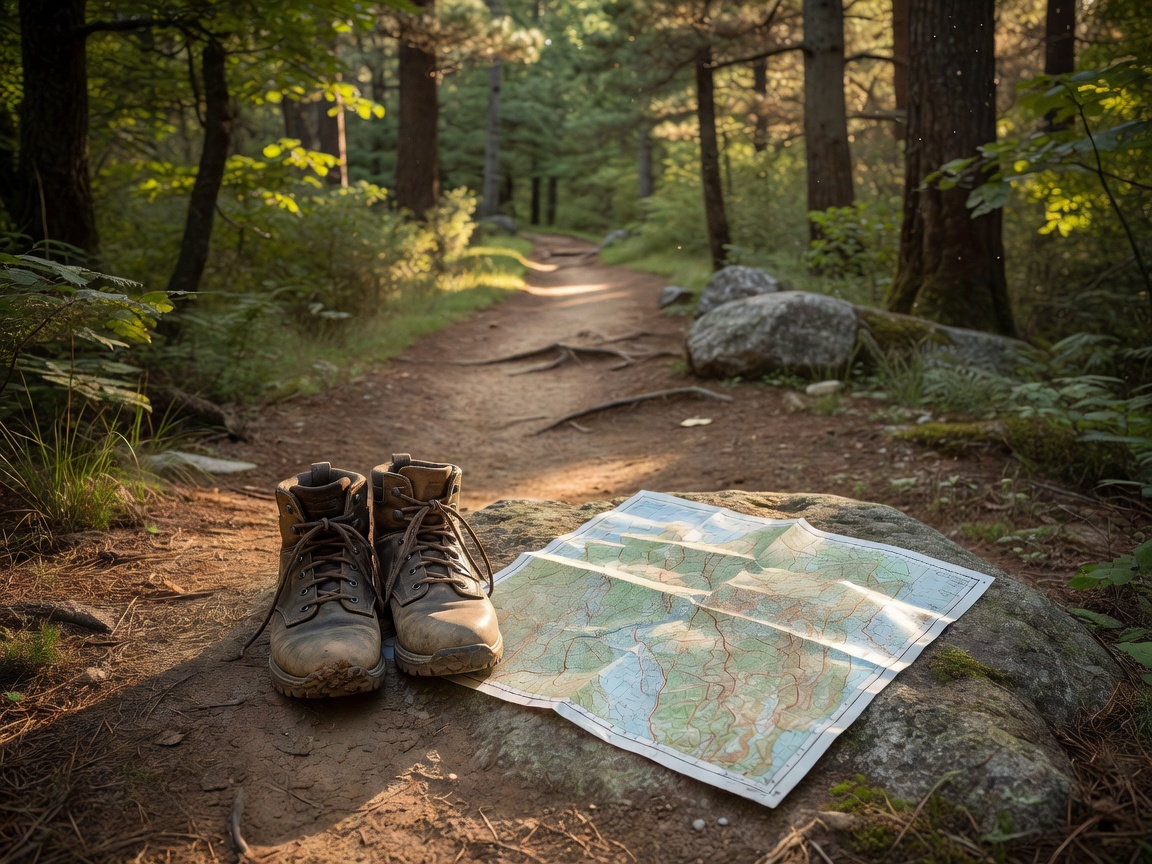
Work through transport, clothing, accessibility, weather and responsible access.
Plan with fewer surprises →A simple forest routine
Check the route, weather and local rules. Put devices away if practical.
Reduce your pace. Notice footing, temperature and the shape of the path.
Use sight, sound, smell and touch without collecting or disturbing anything.
Stop somewhere permitted. Let the surroundings set the rhythm.
Leave the site as you found it. Recheck your route before departure.