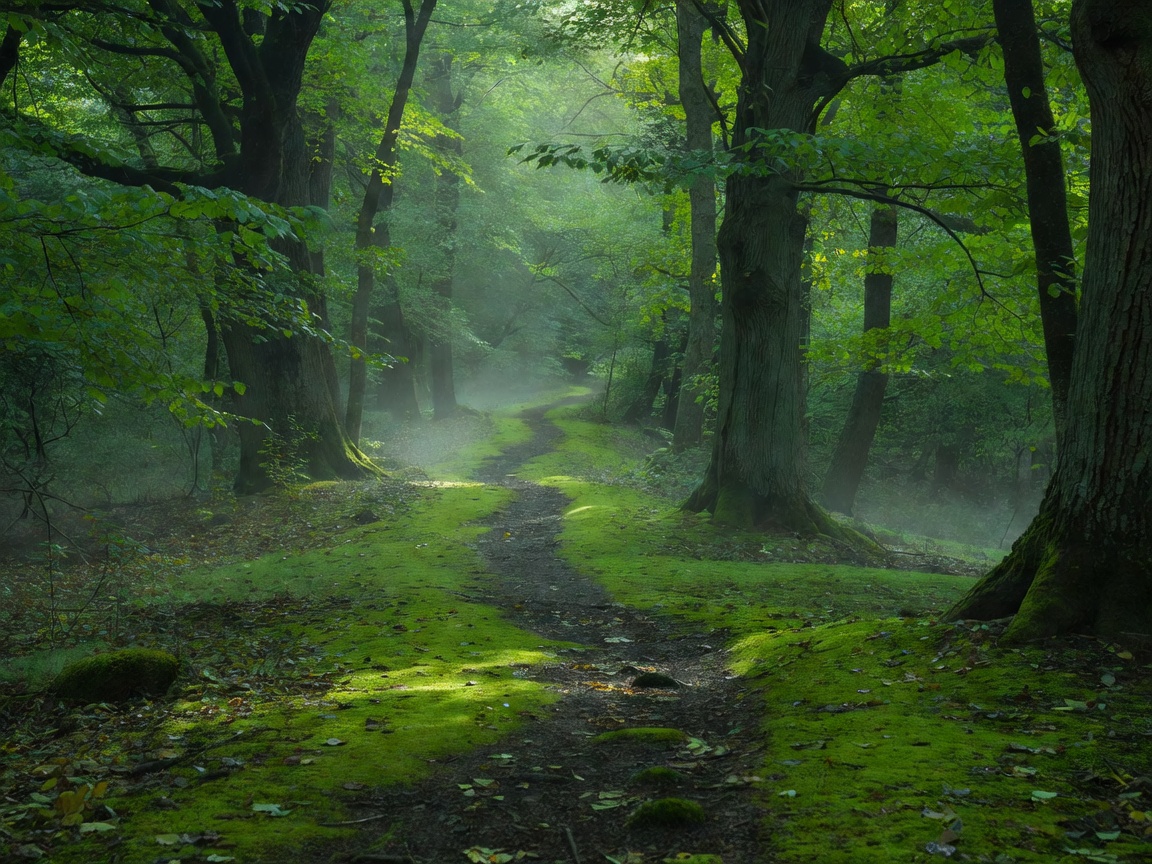
A forest-bathing session can be simple. Walk slowly. Notice sound. Pause beside a tree or clearing. A guide may offer prompts, but there is no required score or physical achievement. The practice is general wellbeing activity, not medical treatment and not a substitute for professional care.
Guided forest walks
A guide usually sets a meeting point, explains boundaries and introduces short invitations. These may involve noticing colour, listening for distant sounds, or observing a small area for several minutes. A useful guide gives clear safety information and allows people to decline an activity.
Sensory observation
Sensory work directs attention outward. You might compare textures visually, notice the direction of wind or listen for layers of sound. Touch should be optional and respectful. Never damage bark, pick plants or disturb fungi, nests or animals for an exercise.
Slow walking and quiet pauses
Slow walking makes terrain more apparent. Roots, mud and slopes need attention. Pauses can be seated or standing. Choose a location away from the trail edge when permitted. Keep access open for other visitors and follow any site instruction about where people may stop.
Breathing awareness
Some sessions include ordinary breathing awareness. This means noticing breath without forcing it. Stop if you feel uncomfortable. No breathing exercise on this site is presented as a treatment or as a guarantee of a health outcome.
Group or individual formats
Groups create structure and shared quiet. They can also be less private and may move at a pace that does not suit everyone. Individual visits allow flexible timing but require more responsibility for navigation, weather checks and emergency planning. A companion can be useful on unfamiliar routes.
Shorter and longer sessions
A short session may fit around a city visit or a limited energy budget. A longer session allows more pauses and less rushing, but it increases exposure to weather, fatigue and changing daylight. The correct length depends on access, terrain, season and the participant’s comfort.
Advantages and limitations
- Guided: useful structure and local orientation; dependent on group pace and guide quality.
- Self-directed: flexible and private; requires stronger route and safety planning.
- Group: social and easy to book where available; quieter moments may be limited.
- Individual: adaptable; not ideal if you are unfamiliar with the area or conditions.
Good for
Forest bathing can suit visitors who want a slower outdoor activity, a structured introduction to woodland observation or a low-pressure way to spend time outside. It is not a promise of medical benefit.
What to know
Ask about terrain, group size, language, accessibility, cancellation arrangements and weather policy before booking a commercial experience. Confirm what is included. Do not assume a guide can provide medical, rescue or transport services.